
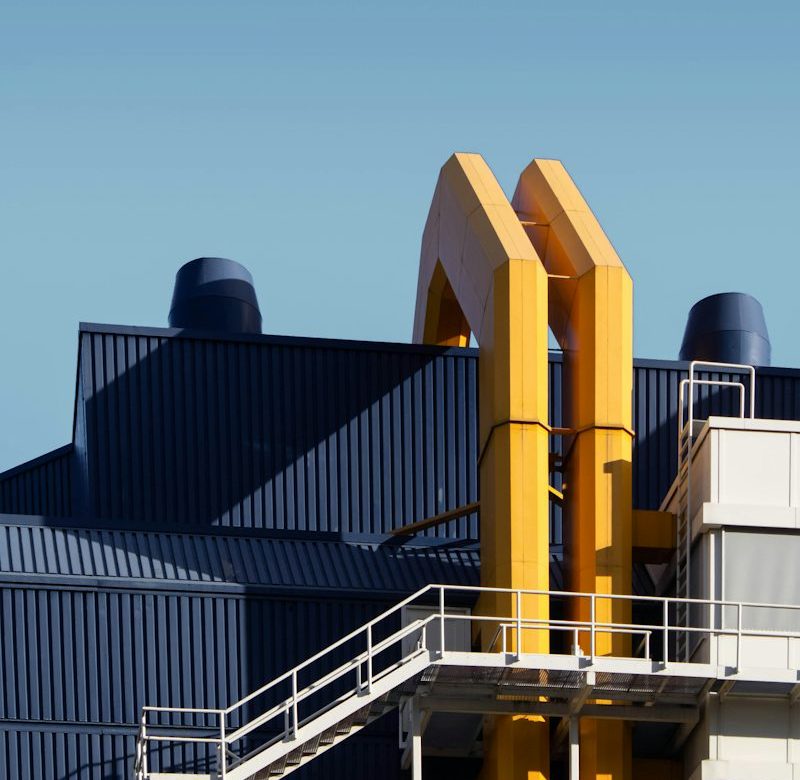
Managing Industrial Facilities Safely and Efficiently
Imagine walking into a factory where machines are working, workers are moving around, goods are being stored, and deliveries are coming in and out. For everything to run smoothly, someone must ensure that the building, equipment, utilities, and work environment are properly managed. This is where industrial facility management becomes important.
Industrial facilities are not just buildings. They are working environments that support production, storage, manufacturing, and other business activities. A small problem, such as a faulty electrical system, a leaking pipe, poor ventilation, or a blocked passage, can affect safety and interrupt operations. Proper facility management helps prevent these problems and keeps the business running efficiently.
What Is Industrial Facility Management?
Industrial facility management is the organised process of maintaining and supporting factories, warehouses, production plants, workshops, and other industrial properties.
It involves taking care of the physical environment and the services people depend on every day. These services may include building maintenance, electrical maintenance, plumbing, cleaning, security, waste management, generator maintenance, fire safety, and equipment support.
The goal is simple: keep the facility safe, functional, clean, and ready for work.
Why Safety Should Come First
Industrial environments often involve machinery, electrical equipment, chemicals, vehicles, and heavy materials. Without proper safety measures, these can create serious risks for workers and visitors.
Regular inspections help identify hazards before they cause accidents. For example, a facility manager may discover exposed electrical wires, damaged floors, blocked emergency exits, or a faulty fire extinguisher during an inspection.
Keeping emergency exits clear, maintaining fire protection systems, providing proper signage, and ensuring that safety procedures are followed are all important steps. Workers should also receive the necessary safety training for their responsibilities.
Preventing Problems Before They Happen
Waiting until a machine or building system breaks down can be expensive. Preventive maintenance means checking and servicing equipment regularly instead of waiting for it to fail.
For an industrial facility, this may include servicing generators, inspecting electrical systems, maintaining air conditioning and ventilation, checking plumbing, and ensuring that fire safety equipment is functional.
These routine checks can help reduce unexpected breakdowns, extend equipment life, and minimise interruptions to production.
Keeping Operations Organised and Efficient
Efficiency is not only about working faster. It is also about avoiding waste, reducing unnecessary expenses, and making sure every part of the facility supports the business.
A well-organised facility should have clean workspaces, properly managed waste, reliable utilities, effective security, and clear maintenance schedules. Monitoring energy use and repairing faulty equipment can also help control operating costs.
When these services are properly coordinated, workers can focus on their jobs without being constantly disrupted by facility-related problems.
Why Professional Facility Management Matters
Managing an industrial facility requires attention to many details at the same time. A professional facility management company can help businesses coordinate maintenance, cleaning, security, inspections, and other essential services.
Conclusion
Managing an industrial facility safely and efficiently means taking care of the building, equipment, and people who use it. Regular maintenance, safety inspections, proper cleaning, and organised operations can prevent problems and support business productivity.
A facility that is properly managed is not only safer, it is also better prepared to operate consistently and protect its long-term value.