
Electrical Safety Tips for Nigerian Commercial Properties
Electricity powers nearly every commercial property in Nigeria, from offices and shopping plazas to hotels, banks, hospitals, and industrial facilities. However, unstable power supply, frequent generator use, overloaded circuits, and poor electrical installations make electrical safety a critical part of facility management.
A single electrical fault can cause equipment damage, business interruption, fire outbreaks, and costly repairs. That is why every commercial property should have a preventive electrical maintenance plan.
Schedule Regular Electrical Inspections
Routine inspections help identify worn cables, loose connections, overheating panels, and damaged sockets before they become serious hazards. Commercial properties should have their electrical systems checked by qualified electricians at scheduled intervals.
Avoid Overloading Circuits
Many Nigerian businesses connect multiple appliances to a single extension or distribution point. This increases the risk of overheating and electrical fires. Ensure the electrical load is properly distributed across dedicated circuits.
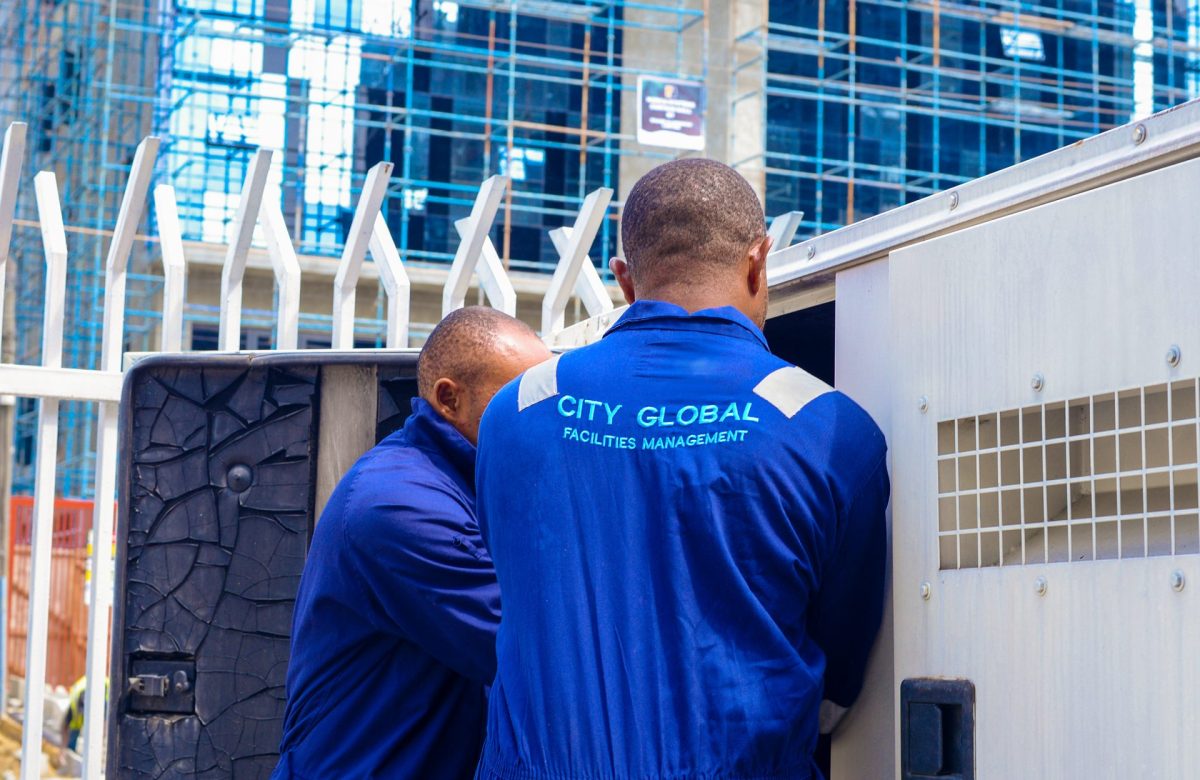
Maintain Generators and Changeover Systems
Since generators are widely used during power outages, they must be serviced regularly. Inspect batteries, cables, fuel lines, and automatic changeover switches to ensure safe operation and prevent electrical failures.
Test Protective Devices
Circuit breakers, surge protectors, and residual current devices (RCDs) are essential safety components. They should be tested periodically to confirm they can disconnect power quickly during electrical faults.
Conclusion:
Electrical safety is not only about preventing accidents, it protects lives, valuable equipment, and business operations.
Regular inspections, proper generator maintenance, and compliance with Nigerian electrical standards help commercial properties operate safely and efficiently.