
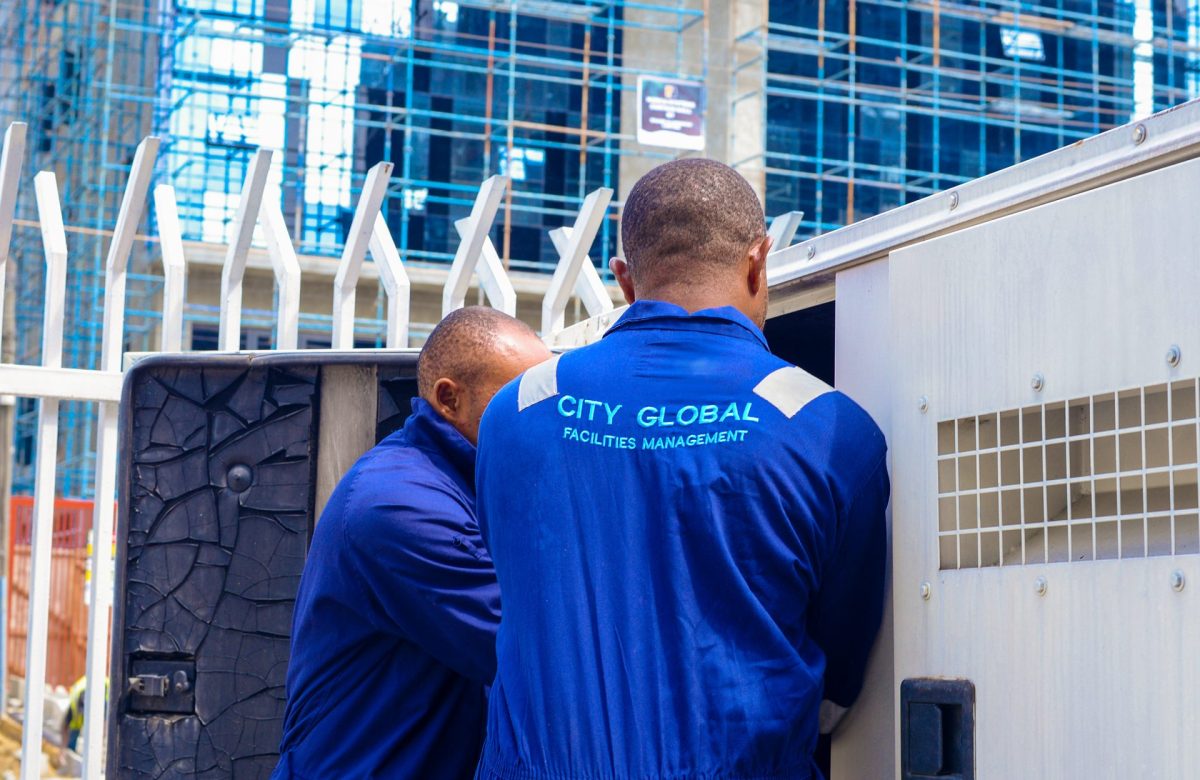
5 Things to Check Before Using a Generator
Imagine arriving at your office on a busy Monday morning, only for the power supply to go off just as you are about to begin work. You quickly switch on your generator, expecting business to continue as usual, but suddenly, it refuses to start or begins making unusual noises.
This situation can be frustrating, especially when you have customers to attend to and important tasks to complete. Unfortunately, many generator problems can be avoided with proper checks before use.
It’s always best to take a few minutes to inspect your generator as it can help prevent breakdowns, reduce repair costs, and improve safety. This blog contains 5 things to look after before using a generator.
1. Check the Engine Oil Level
Engine oil helps lubricate the moving parts of your generator and reduces friction during operation. Running a generator with insufficient oil can cause overheating, engine damage, and costly repairs.
Before starting your generator, check the oil level using the dipstick, following the manufacturer’s instructions. If the oil is below the recommended level, top it up with the correct type. Also, watch out for dirty oil or signs of leakage, as these may indicate the need for servicing.
2. Inspect the Fuel Level and Quality
Your generator needs an adequate supply of the correct fuel to operate properly. Before switching it on, check the fuel level to ensure it can run for the period you need.
Pay attention to fuel quality, as contaminated fuel can affect engine performance and cause starting problems. Check for leaks around the fuel tank and fuel lines. Never refill a running or hot generator, as spilled fuel can ignite and cause a fire.
3. Check for Leaks and Visible Damage
Take a few moments to inspect your generator before use. Look for loose wires, damaged cables, leaking fluids, cracked hoses, and unusual signs of wear.
These problems may appear minor, but ignoring them can lead to equipment failure or safety hazards. If you notice anything unusual, have a qualified technician inspect the generator before operating it.
4. Ensure Proper Ventilation and Safe Placement
Generators produce carbon monoxide, a poisonous gas that has no colour or smell. Operating one in an enclosed room, garage, or poorly ventilated area can lead to serious injury or death.
Always position your generator outdoors in a well-ventilated location, away from doors, windows, and air intakes. Follow the manufacturer’s clearance requirements and keep the generator protected from rain without restricting airflow. Never operate it inside a building.
5. Inspect the Electrical Connections
Before starting your generator, check that electrical cables, plugs, sockets, and connections are in good condition. Damaged cables, exposed wires, and overloaded circuits can cause electric shock, overheating, or fire.
Ensure the generator is connected correctly and has suitable protection against electrical faults. Never connect it directly to a building’s wiring without a properly installed transfer switch operated by a qualified electrician. This helps prevent dangerous backfeeding into the public power supply.
Conclusion
Checking your generator before use is a simple habit that can prevent major problems. By inspecting the oil, fuel, visible components, placement, and electrical connections, you can improve safety and reduce the risk of unexpected breakdowns.
City Global Facility Management helps businesses and property owners maintain essential equipment through professional facility maintenance solutions. Do not wait for your generator to fail before giving it attention. Regular checks and timely servicing can keep your facility running more reliably.