
Effects of Delayed Maintenance on a Residential Property
Have you ever noticed a small leak in your bathroom or a crack on your wall and decided to fix it later? It may seem like a minor issue that can wait, especially when you have other expenses to handle. However, delaying repairs can turn small problems into expensive ones. For homeowners, landlords, and property managers in Nigeria, regular residential property maintenance is essential for protecting property value, ensuring safety, and keeping occupants comfortable. Ignoring maintenance problems for too long can lead to serious damage that costs far more to repair.
1. Increased Repair Costs
One of the major effects of delayed property maintenance is the increase in repair expenses. A leaking pipe, for example, may initially require a simple repair. However, if ignored, it can damage walls, ceilings, flooring, and nearby electrical installations.
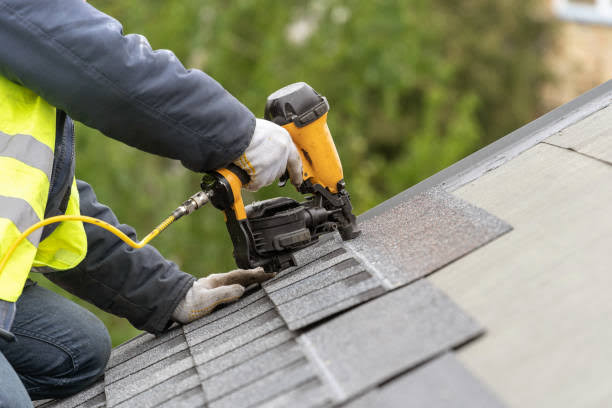
Similarly, a minor roof leak can develop into extensive water damage. Addressing maintenance issues early helps homeowners avoid costly repairs and manage their property maintenance budgets more effectively.
2. Reduced Property Value
A poorly maintained residential property can lose its appeal and market value. Peeling paint, cracked walls, damaged doors, faulty plumbing, and neglected outdoor spaces can make a house look unattractive to potential buyers and tenants.
For landlords planning to rent out their properties, poor maintenance can also make it harder to attract responsible tenants or justify competitive rental prices. Regular building maintenance helps preserve the property’s condition and long-term investment value.
3. Health and Safety Risks
Delayed maintenance can create serious health and safety problems for residents. Leaking pipes and poor ventilation may encourage mold growth, while damaged electrical wiring can increase the risk of electric shock or fire.
Broken staircases, loose floor tiles, and damaged railings can also cause accidents. Routine inspections and prompt repairs help create a safer and healthier living environment for everyone in the building.
4. Discomfort for Occupants
A residential property should provide comfort and convenience. However, faulty air conditioning, blocked drainage, leaking roofs, poor water supply, and malfunctioning plumbing can make daily life difficult.
When these issues remain unresolved, residents may experience repeated disruptions and become dissatisfied with their living conditions. For landlords, this can lead to tenant complaints, disputes, and even tenants choosing to move elsewhere.
5. Shorter Lifespan of Building Components
Every building component requires proper care to remain functional. Roofs, plumbing systems, electrical installations, doors, windows, and air conditioning units can deteriorate faster when maintenance is neglected.
Replacing damaged components prematurely can place unnecessary financial pressure on homeowners. Preventive maintenance helps extend the lifespan of building systems and reduces the likelihood of unexpected failures.
How Can Property Owners Prevent Delayed Maintenance?
Property owners should establish a regular maintenance schedule that includes routine inspections, cleaning, servicing, and timely repairs. Keeping records of maintenance activities also helps identify recurring problems and plan future expenses.
Working with a professional facility management company can make maintenance easier by ensuring that essential building systems receive the attention they need.
Conclusion
Delayed maintenance can lead to higher repair costs, reduced property value, safety risks, occupant discomfort, and premature deterioration of building components.
The best way to protect a residential property is to identify problems early and address them before they become serious.