
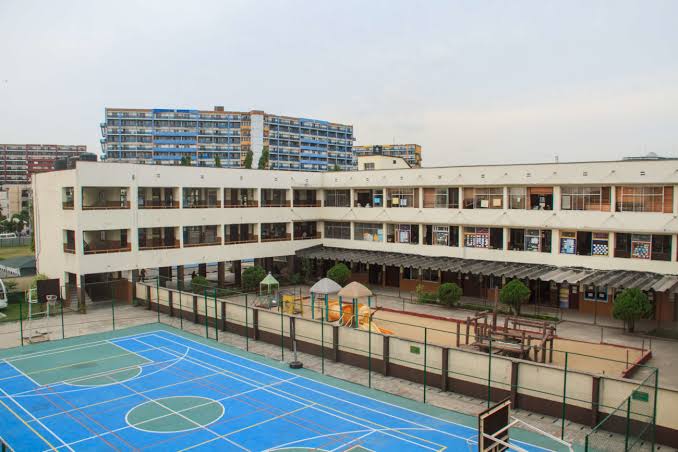
Managing Schools and Educational Facilities Effectively
Educational facilities are more than just buildings, they are environments where learning, growth and development take place.
Effective facility management in schools ensures that students, teachers and staff can focus on education without being distracted by maintenance issues or unsafe conditions.
School buildings experience heavy daily use, making regular maintenance essential. Classrooms, laboratories, libraries, sports facilities, administrative offices and sanitation areas all require consistent attention to remain functional and safe. By implementing effective facility management practices, educational institutions can extend the lifespan of their assets, reduce operational costs and provide a better learning experience.
Creating a Safe Learning Environment
Safety should always be the highest priority in any educational facility. Students and staff must be protected from hazards such as faulty electrical systems, damaged furniture, slippery floors, blocked emergency exits and fire risks.
Routine safety inspections help identify potential problems before they become serious. Fire extinguishers, emergency lighting, alarm systems and evacuation routes should be regularly inspected and maintained. School administrators should also ensure that security measures, including access control, fencing and surveillance systems, are functioning effectively to safeguard everyone on campus.
A safe learning environment promotes confidence among parents, students and staff while reducing the likelihood of accidents and disruptions.
Prioritising Preventive Maintenance
Waiting until equipment or building systems fail can lead to costly repairs and interruptions to academic activities. Preventive maintenance allows schools to address minor issues before they develop into major problems.
Regular servicing of electrical systems, plumbing, air conditioning, generators, roofing and classroom furniture helps maintain a comfortable and reliable learning environment. Maintenance schedules should be carefully planned during weekends or school holidays where possible to minimise disruption to teaching and learning.
Maintaining Clean and Healthy Facilities
Cleanliness has a direct impact on the health and well-being of students and staff. Classrooms, restrooms, cafeterias and common areas should be cleaned thoroughly and consistently to reduce the spread of germs and create a pleasant atmosphere.
Waste should be disposed of properly, and cleaning supplies should be used safely and effectively. Adequate ventilation and regular sanitation of high-touch surfaces further contribute to a healthier school environment.
A clean educational facility not only supports student health but also creates a positive impression for parents, visitors and prospective students.
Managing Resources Efficiently
Schools consume significant amounts of electricity, water and other resources. Efficient resource management helps reduce operational costs while supporting environmental sustainability.
Simple measures such as repairing water leaks, installing energy-efficient lighting, switching off unused equipment and encouraging responsible resource use can lower utility bills. Facility managers should also monitor consumption regularly to identify areas where improvements can be made.
These savings can often be redirected toward educational programmes and facility improvements.
Supporting Academic Excellence Through Facility Management
Well-managed facilities contribute directly to better learning outcomes. Comfortable classrooms, functional laboratories, reliable utilities and clean surroundings help students concentrate and perform at their best.
Facility managers also play an important role in ensuring that learning spaces remain suitable for modern educational needs. Timely maintenance, space planning and continuous improvements support both teaching and administrative activities.
Conclusion
Effective school facility management is essential for creating safe, clean and productive learning environments. By focusing on preventive maintenance, safety, cleanliness and efficient resource management, educational institutions can improve the experience of students, teachers and visitors while protecting valuable infrastructure.
Investing in professional educational facility management is not simply about maintaining buildings, it is about creating an environment where learning can thrive. Schools that prioritise facility management are better equipped to provide quality education, reduce maintenance costs and ensure long-term sustainability.