
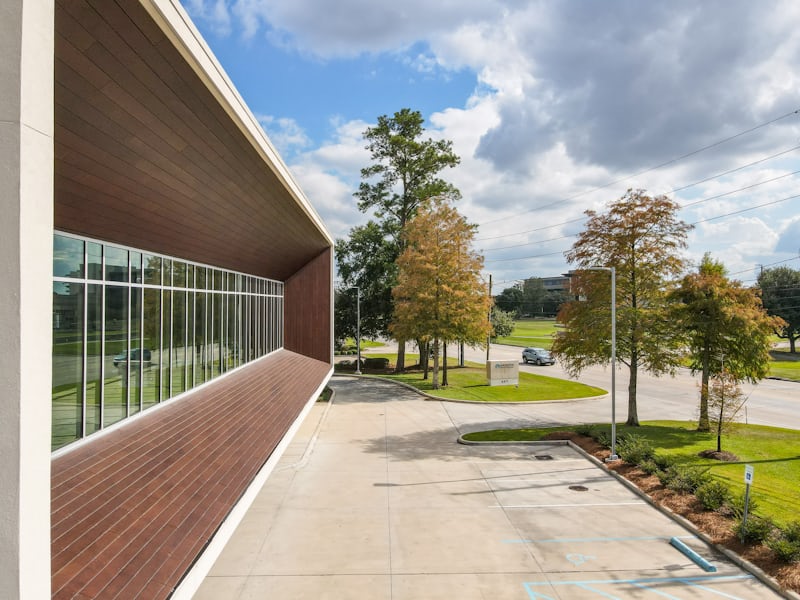
Preparing Commercial Buildings for Extreme Weather
Extreme weather is becoming more common across many parts of the world, including Nigeria. Heavy rainfall, flooding, strong winds, extreme heat, and thunderstorms can cause serious damage to commercial buildings if they are not properly maintained. For businesses, this can lead to costly repairs, disrupted operations, damaged equipment, and safety risks for employees and customers.
A well-maintained building is better equipped to withstand harsh weather conditions, reduce repair costs, and keep business operations running smoothly. By taking preventive measures, property owners and facility managers can protect their investments and ensure the safety of everyone who uses the building.
Why Weather Preparedness Matters
Extreme weather can affect businesses in many ways. Heavy rain may lead to roof leaks and flooding, while strong winds can damage windows, roofing sheets, and outdoor equipment. During the dry season, excessive heat can put pressure on air conditioning systems and increase energy bills.
Preparing your commercial building before severe weather arrives helps prevent major damage. It also reduces business downtime, protects valuable assets, and creates a safer environment for employees, tenants, and visitors.
Common Weather Risks for Commercial Buildings in Nigeria
Businesses in Nigeria face several weather-related challenges throughout the year. During the rainy season, blocked drainage systems can cause flooding around buildings. Roof leaks may damage ceilings, furniture, electrical systems, and important documents.
Strong winds can loosen roofing materials, damage signboards, and break windows. High temperatures can affect cooling systems, increase electricity consumption, and reduce indoor comfort. Lightning storms may also damage electrical equipment if buildings do not have proper surge protection.
Understanding these risks allows businesses to prepare before problems occur.
How to Prepare Your Commercial Building
Regular building inspections are the first step in weather preparedness. Roofs should be checked for loose roofing sheets, cracked tiles, and damaged gutters that could allow water into the building.
Drainage systems should be cleaned frequently to ensure rainwater flows freely and does not cause flooding. Blocked gutters and drains are among the leading causes of water damage during heavy rainfall.
Windows and doors should be inspected for gaps, broken seals, or damaged frames that could allow water or strong winds to enter the building. Outdoor equipment, signage, and loose materials should also be secured before storms arrive.
Electrical systems deserve special attention. Installing surge protectors and regularly inspecting electrical wiring can help protect equipment from lightning and power surges, which are common during thunderstorms.
The Importance of Preventive Maintenance
Preventive maintenance is one of the best ways to protect commercial buildings from extreme weather. Routine inspections allow facility managers to identify small issues before they become expensive repairs.
Air conditioning systems should be serviced regularly to perform efficiently during periods of extreme heat. Backup generators should also be maintained to ensure uninterrupted power supply during weather-related outages.
Trees around the property should be trimmed to prevent falling branches from damaging buildings, vehicles, or power lines during strong winds.
Partner with a Professional Facility Management Company
Managing a commercial property requires expertise, especially when preparing for severe weather. A professional facility management company can carry out regular inspections, maintain critical building systems, and develop emergency response plans that reduce weather-related risks.
With expert support, businesses can improve building safety, extend the lifespan of their facilities, and minimise unexpected maintenance costs.
Conclusion
Extreme weather can happen at any time, but proper preparation can significantly reduce its impact. Regular inspections, preventive maintenance, drainage cleaning, roof repairs, and electrical safety checks all play an important role in protecting commercial buildings.
Businesses that invest in weather preparedness not only protect their property but also ensure the safety of employees, customers, and visitors. Making weather readiness part of your facility management strategy is a smart investment that keeps your business operating efficiently throughout the year.