
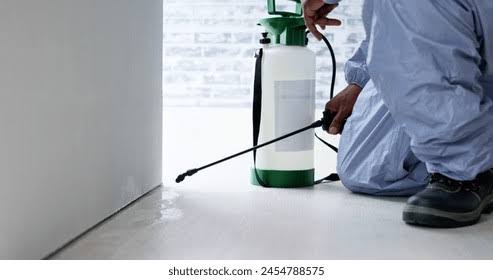
Pest Control Best Practices for Buildings
Pests are more than just an inconvenience in any property, they can damage property, contaminate food, spread diseases, and harm a company’s reputation.
In Nigeria, the warm climate creates favourable conditions for pests such as rats, cockroaches, termites, ants, mosquitoes, and flies to thrive throughout the year.
Effective pest control is not simply about eliminating pests after they appear. It involves taking preventive measures to stop infestations before they become serious problems. A clean, well-maintained building not only provides a healthier environment for employees and customers but also helps businesses avoid expensive repairs and operational disruptions. Regular pest control should therefore be an essential part of every facility management plan.
Why Pest Control Is Important for Commercial Buildings
A pest infestation can affect every aspect of a business. Rodents can chew electrical wires and damage equipment, increasing the risk of electrical faults and costly repairs. Cockroaches and flies can contaminate food and surfaces, creating health hazards, especially in restaurants, hotels, hospitals, and food processing facilities.
Termites are another major concern because they can weaken wooden structures, furniture, and office fittings without being noticed until significant damage has occurred. Besides the financial cost, pest problems can lead to customer complaints, failed health inspections, and damage to a company’s reputation.
Best Practices for Preventing Pest Infestations
The most effective way to control pests is to prevent them from entering your building in the first place. Good housekeeping should be a daily routine. Offices, kitchens, restrooms, and storage areas should be cleaned regularly, while waste bins should be emptied frequently and covered properly.
Food should always be stored in sealed containers, and spills should be cleaned immediately to avoid attracting insects and rodents. Standing water around the property should also be removed because it creates breeding grounds for mosquitoes.
Facility managers should inspect buildings regularly for cracks, holes, and gaps around doors, windows, pipes, and walls. Sealing these entry points prevents pests from gaining access to the building.
The Role of Regular Building Maintenance
Routine maintenance plays a major role in pest prevention. Leaking pipes, blocked drainage systems, damaged roofing, and poor ventilation create conditions that encourage pest activity. Addressing these maintenance issues promptly helps reduce the risk of infestations.
Landscaping should also be maintained by trimming overgrown vegetation and removing debris around the property. This reduces hiding places for rodents and insects while improving the overall appearance of the premises.
Work with Professional Pest Control Experts
Although basic cleaning helps prevent pests, professional pest control services provide a more effective solution. Experienced pest control specialists can identify hidden infestations, apply safe treatment methods, and recommend long-term preventive measures.
Scheduling routine pest inspections and treatments ensures that problems are detected early before they spread throughout the building. Professional services also help businesses comply with health and safety standards, particularly in industries where hygiene is critical.
Conclusion
Pest control is an essential part of managing any commercial building. A proactive approach that combines regular cleaning, preventive maintenance, building inspections, and professional pest control services helps keep businesses safe, healthy, and productive.
By investing in effective pest management, businesses can protect their employees, customers, property, and reputation while reducing maintenance costs in the long run. A pest-free workplace creates a cleaner, healthier, and more professional environment that supports business success.