
Building Security Management: Best Practices for Commercial Properties
Security is one of the first things people notice about a commercial property, even if they do not realise it. A well-secured building gives employees confidence, reassures tenants, and creates a welcoming environment for clients and visitors. On the other hand, poor security can expose a business to theft, vandalism, unauthorised access, and operational disruptions that may be costly to recover from.
As commercial properties continue to grow in size and complexity, building security is no longer limited to hiring security guards. It requires a strategic approach that combines trained personnel, modern technology, routine inspections, and well-defined procedures. This is why professional facility management plays a vital role in protecting people, property, and business operations.
Here are some of the best practices every commercial property should adopt to strengthen building security.
Control Access to the Property
Every commercial building should have a system that regulates who enters and exits the premises. Without proper access control, businesses become vulnerable to trespassers and security breaches.
Reception checkpoints, visitor registration, access cards, biometric systems, and security gates help ensure that only authorised individuals can access restricted areas. Maintaining accurate visitor records also improves accountability and makes it easier to investigate security incidents if they occur.
Install and Maintain Surveillance Systems
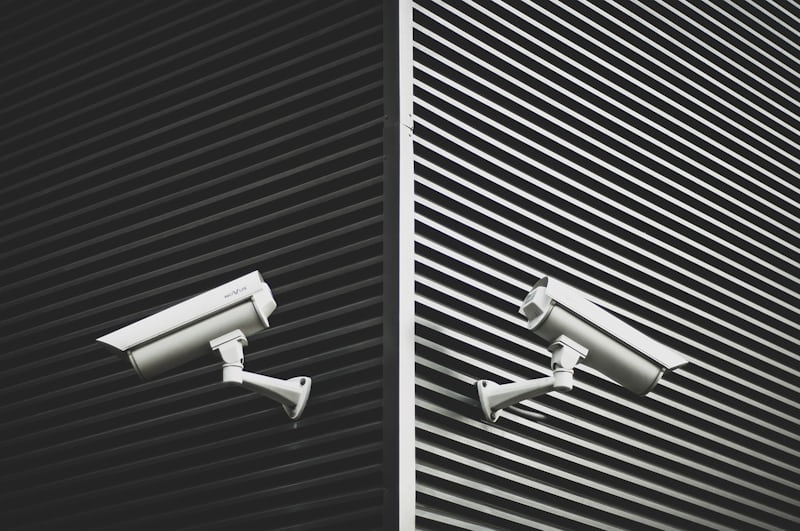
Security cameras are among the most effective tools for protecting commercial properties. They discourage criminal activity, monitor daily operations, and provide valuable evidence when incidents occur.
However, installing CCTV cameras is only part of the solution. Cameras should be positioned strategically to cover entrances, exits, parking areas, corridors, and other high-risk locations. Regular inspections and maintenance ensure that surveillance equipment continues to function effectively when needed.
Conduct Regular Security Risk Assessments
Security threats evolve over time, making routine assessments essential. Professional facility managers inspect the property to identify vulnerabilities before they can be exploited.
These inspections may reveal poor lighting, damaged perimeter fencing, malfunctioning access systems, unsecured storage areas, or blind spots in surveillance coverage. Addressing these issues early helps prevent avoidable security incidents.
Train Staff on Security Awareness
Technology alone cannot guarantee a secure workplace. Employees also play an important role in protecting commercial properties.
Businesses should educate staff on visitor management procedures, emergency reporting, suspicious behaviour, access control policies, and evacuation protocols. A workforce that understands basic security practices is better prepared to prevent incidents before they escalate.
Improve Outdoor Security
Many security risks begin outside the building. Parking lots, walkways, loading bays, and perimeter fences require the same level of attention as indoor spaces.
Adequate lighting, secure fencing, controlled vehicle access, visible security patrols, and well-maintained landscaping help eliminate hiding spots and improve visibility during both the day and night.
Develop an Emergency Response Plan
Even with strong preventive measures, emergencies can still occur. Commercial properties should have clearly documented procedures for fire outbreaks, medical emergencies, security threats, and evacuation.
Employees and security personnel should receive regular training, while emergency equipment such as fire extinguishers, alarm systems, and communication devices should be inspected and tested routinely. A well-prepared team can respond quickly, reducing potential risks and damage.
Integrate Security with Facility Management
Building security works best when it is integrated into the overall facility management strategy. Professional facility managers coordinate security personnel, maintain surveillance systems, oversee access control, conduct routine inspections, and ensure compliance with safety regulations.
This integrated approach creates a safer environment while improving operational efficiency and ensuring that all building systems work together seamlessly.
Review and Update Security Measures Regularly
Security should never remain static. As businesses expand and technology advances, security strategies should be reviewed and improved regularly.
Routine evaluations help identify outdated equipment, changing security risks, and opportunities to strengthen existing procedures. Continuous improvement ensures commercial properties remain protected against emerging threats.
Conclusion
Strong building security is essential for protecting people, safeguarding assets, and ensuring uninterrupted business operations.
By implementing effective access control, maintaining surveillance systems, conducting regular risk assessments, training employees, and preparing for emergencies, commercial property owners can significantly reduce security risks.