
Office Cleaning Standards Every Business Should Follow
A clean office does more than create a good first impression, it supports employee health, boosts productivity, and reflects the professionalism of a business. Clients, partners, and visitors often judge an organisation by the condition of its workplace, while employees perform better in an environment that is organised, hygienic, and well maintained.
Unfortunately, many businesses only focus on cleaning when the office starts looking untidy. Effective office maintenance goes beyond emptying bins and mopping floors. It involves following consistent cleaning standards that keep the workplace safe, healthy, and presentable every day.
Here are the essential office cleaning standards every business should follow.
Maintain Daily Cleaning Routines
Consistency is one of the most important aspects of office cleaning. Workstations, reception areas, meeting rooms, kitchens, and restrooms should be cleaned every day to prevent dirt, dust, and bacteria from building up.
Daily cleaning should include sweeping and mopping floors, dusting surfaces, disinfecting frequently touched areas, emptying waste bins, and restocking hygiene supplies. A structured cleaning schedule ensures that no area of the office is neglected.
Disinfect High-Touch Surfaces Regularly
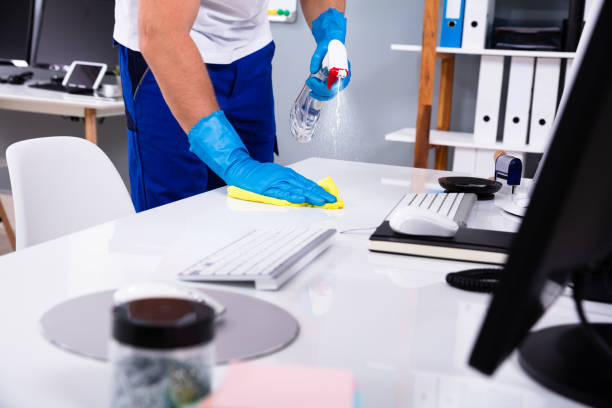
Certain areas in an office are touched by multiple people throughout the day, making them hotspots for germs and bacteria. Door handles, light switches, desks, keyboards, telephones, lift buttons, handrails, and shared office equipment should be disinfected frequently.
Using appropriate disinfectants helps reduce the spread of illnesses, creating a healthier workplace and reducing employee absenteeism.
Keep Restrooms Clean and Fully Stocked
The cleanliness of office restrooms says a great deal about a business. Restrooms should be cleaned and disinfected several times during the day, especially in busy workplaces.
Soap dispensers, toilet paper, paper towels, and hand sanitisers should always be available. Floors, sinks, mirrors, and toilet fixtures should remain clean, dry, and free from unpleasant odours to provide a comfortable experience for employees and visitors.
Practice Proper Waste Management
Effective waste management is essential for maintaining a clean and organised office environment. Waste bins should be placed in convenient locations and emptied daily to prevent overflowing rubbish and unpleasant smells.
Businesses should also encourage waste segregation by providing separate bins for recyclable materials and general waste. Proper waste disposal contributes to workplace cleanliness while supporting environmental sustainability.
Maintain Indoor Air Quality
Clean air is just as important as clean floors and furniture. Dust, poor ventilation, and dirty air conditioning systems can reduce indoor air quality and affect employee comfort and health.
Regularly cleaning air vents, replacing HVAC filters, and ensuring proper ventilation helps improve air circulation and creates a fresher, healthier office environment.
Keep Floors Clean and Hazard-Free
Office floors experience constant foot traffic and can quickly accumulate dirt, dust, and spills. Floors should be vacuumed, swept, or mopped regularly depending on the surface material.
Spills should be cleaned immediately to prevent slips and falls, while damaged flooring should be repaired promptly to eliminate safety hazards.
Schedule Deep Cleaning Services
Routine cleaning is important, but it should be complemented with periodic deep cleaning. Carpets, upholstered furniture, windows, curtains, ceilings, and hard-to-reach areas require professional attention to remove stubborn dirt, allergens, and hidden bacteria.
Deep cleaning helps maintain a healthier workplace while extending the lifespan of office furniture and finishes.
Partner with Professional Cleaning Experts
Maintaining high cleaning standards requires experience, proper equipment, and attention to detail. Professional facility management companies provide trained cleaning personnel, quality cleaning products, and structured maintenance schedules that ensure every part of the office receives the care it needs.
Outsourcing office cleaning allows businesses to focus on their operations while maintaining a consistently clean, safe, and welcoming environment.
Conclusion
A clean office is a reflection of a well-managed business.
By maintaining daily cleaning routines, disinfecting high-touch surfaces, managing waste effectively, improving indoor air quality, and scheduling regular deep cleaning, businesses can create healthier and more productive workplaces.