
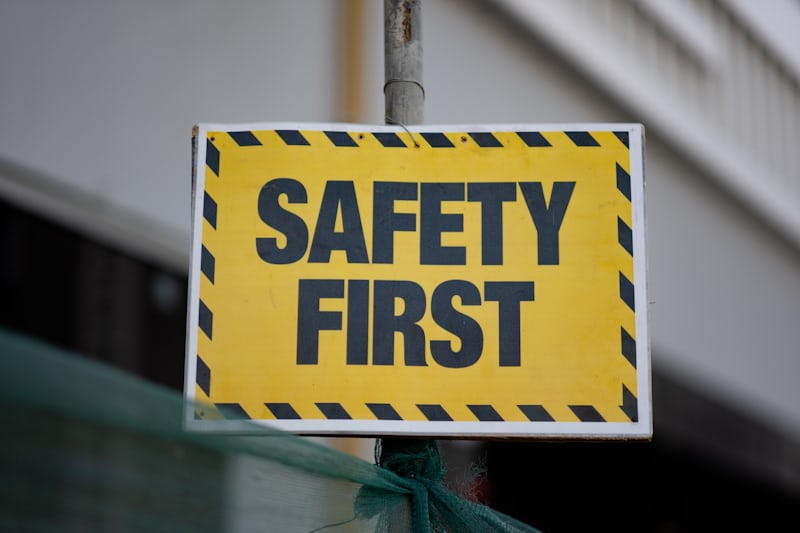
The Importance of Health and Safety Compliance in Facility Management
Health and safety are often only noticed when something goes wrong. A minor electrical fault, a slippery floor, or an overlooked fire hazard can quickly turn into a costly incident that affects people, disrupts operations, and damages a company’s reputation. The good news is that many of these risks are preventable with the right systems and consistent attention to detail.
Health and safety compliance is not just about meeting legal requirements. It is about creating an environment where people feel secure, work efficiently, and trust that their wellbeing is a priority. In facility management, maintaining safe premises is one of the most important responsibilities because every aspect of a building, from its electrical systems to its emergency exits, has a direct impact on the people who use it every day.
This is why health and safety compliance should never be treated as an afterthought. It is a continuous process that protects lives, preserves assets, and supports the long-term success of any property.
What Is Health and Safety Compliance in Facility Management?
Health and safety compliance refers to following established regulations, standards, and best practices that help prevent accidents, injuries, and health risks within a facility. It involves identifying potential hazards, carrying out regular inspections, implementing preventive measures, and ensuring that all building systems operate safely.
Professional facility management teams work proactively to identify risks before they become serious problems. Rather than waiting for accidents to happen, they create maintenance schedules, conduct safety audits, and ensure that facilities remain compliant with relevant health and safety requirements.
Protecting Lives Is the Highest Priority
The primary purpose of health and safety compliance is to protect everyone who enters a facility. Employees, visitors, contractors, and customers should feel confident that the environment is safe.
Routine inspections can identify loose electrical connections, damaged flooring, blocked emergency exits, faulty fire extinguishers, leaking pipes, or unstable structures before they cause harm. Addressing these issues early significantly reduces the likelihood of workplace accidents and injuries.
A safe environment also promotes peace of mind, allowing people to focus on their work or activities without unnecessary risks.
Reducing Costly Accidents and Repairs
Ignoring safety standards often leads to expensive consequences. Workplace accidents can result in medical expenses, legal claims, compensation payments, equipment damage, and operational downtime.
Professional facility management focuses on preventive maintenance, ensuring that building systems are serviced regularly before failures occur. This proactive approach minimizes emergency repairs, reduces unexpected expenses, and keeps operations running smoothly.
Investing in safety today is far more affordable than dealing with the financial impact of preventable accidents tomorrow.
Ensuring Compliance With Regulations
Health and safety regulations are designed to protect people and maintain safe working environments. Failing to comply can result in penalties, legal action, business interruptions, or reputational damage.
Facility managers help ensure that fire safety equipment is functional, emergency procedures are in place, electrical systems meet required standards, and maintenance records are properly documented. Staying compliant demonstrates professionalism and reduces legal risks.
Improving Productivity and Employee Confidence
People perform better when they feel safe. A clean, secure, and well-maintained environment improves employee morale, increases productivity, and reduces stress.
When workers know that hazards are identified and resolved quickly, they can focus on their responsibilities instead of worrying about unsafe conditions. Businesses also benefit from fewer workplace incidents, reduced absenteeism, and improved overall performance.
Protecting Valuable Assets
Buildings contain valuable equipment and infrastructure that require ongoing care. Electrical systems, HVAC units, plumbing installations, generators, and fire protection systems represent significant investments.
Health and safety compliance ensures these assets receive routine inspections and maintenance, extending their lifespan and reducing the risk of unexpected breakdowns. Proper asset management also helps property owners avoid costly replacements and maintain operational efficiency.
Building Trust and a Positive Reputation
A well-maintained facility reflects professionalism and responsibility. Clients, employees, tenants, and visitors are more likely to trust organizations that demonstrate a strong commitment to health and safety.
Maintaining high safety standards also enhances a company’s reputation, strengthens stakeholder confidence, and creates a positive experience for everyone who uses the facility.
The Role of Professional Facility Management
Health and safety compliance requires expertise, consistency, and attention to detail. Professional facility management companies develop maintenance plans, conduct routine inspections, coordinate safety training, manage emergency preparedness, and ensure building systems operate efficiently.
Their proactive approach helps organizations prevent problems before they occur while maintaining a safe, compliant, and productive environment.
Conclusion
Health and safety compliance is an essential part of effective facility management. It protects lives, reduces operational risks, lowers maintenance costs, preserves valuable assets, and helps organizations meet regulatory requirements.
Rather than reacting to accidents after they happen, businesses should focus on preventing them through proper planning and regular maintenance.